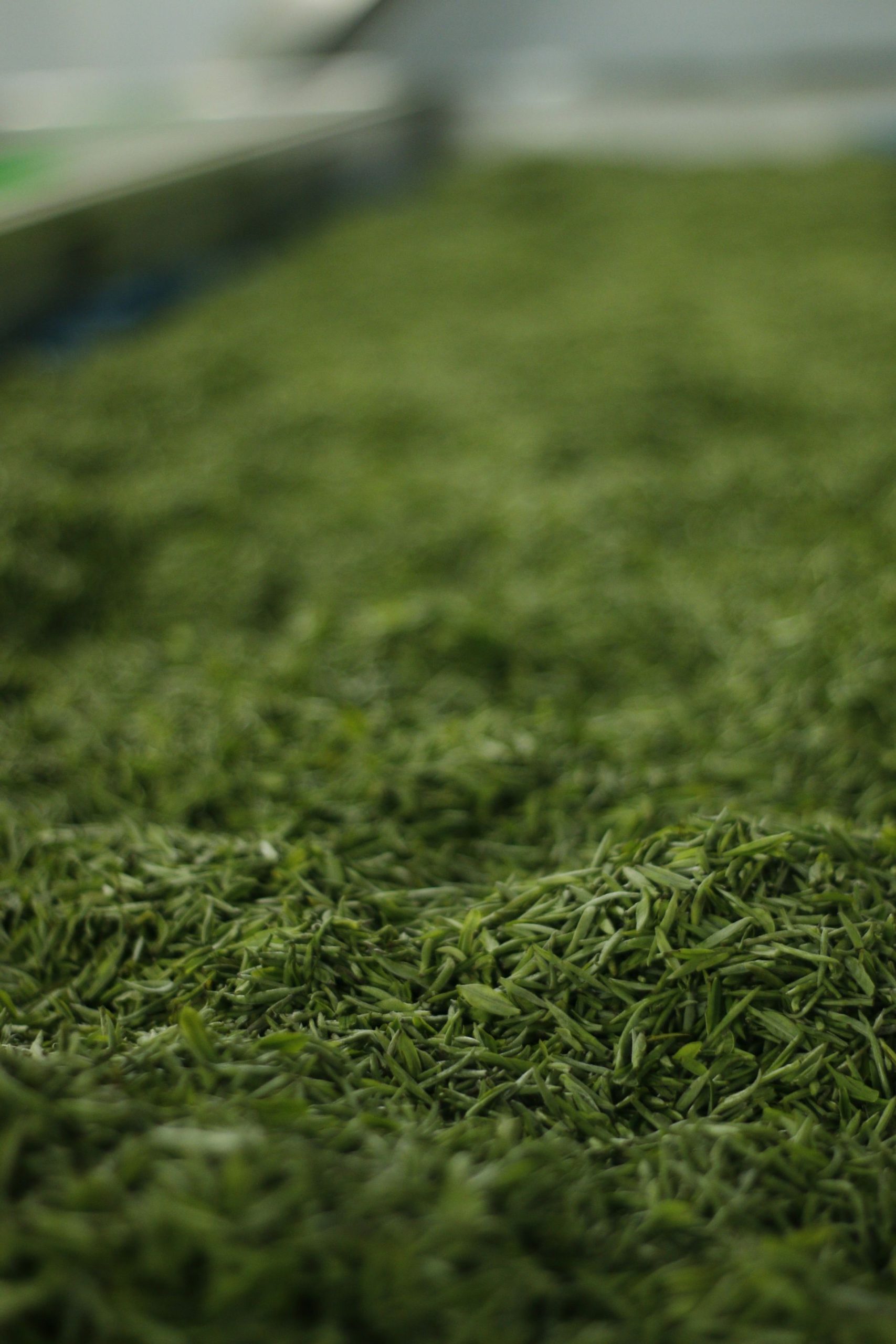
Dried green tea leaves, close up.
木
漏
れ
日
OUR STORY
Leaves. Water.
Time. Quiet.
Ten seats on Amoy Street, where soba is cut by hand and tea is poured slowly.
See the menuWhat every bowl needs
Three things we never rush: the grain, the water and the hands.
-
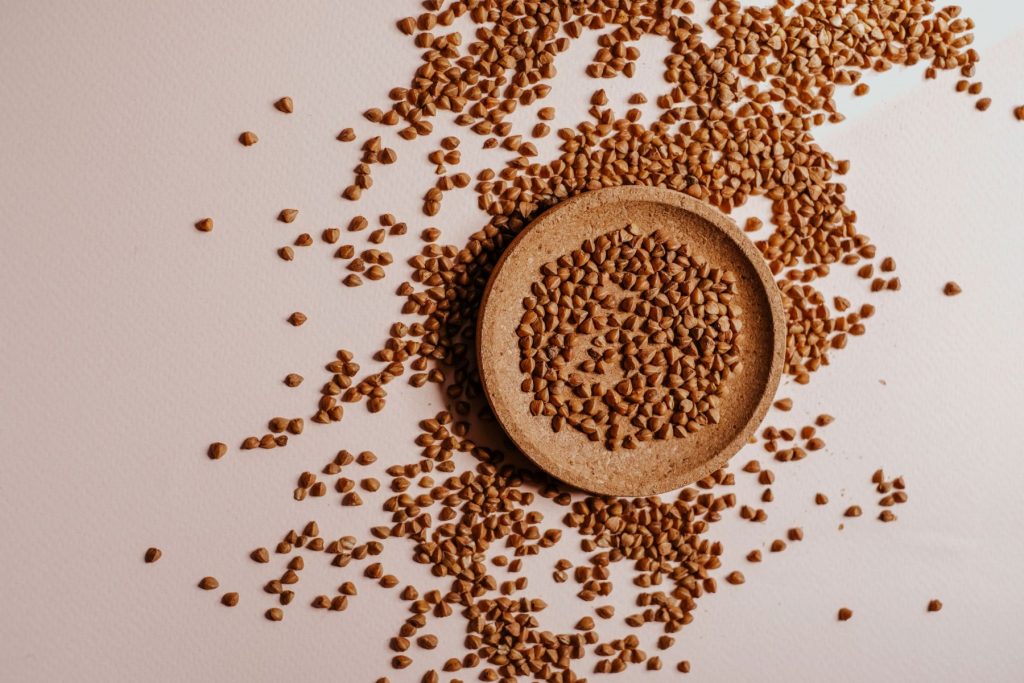
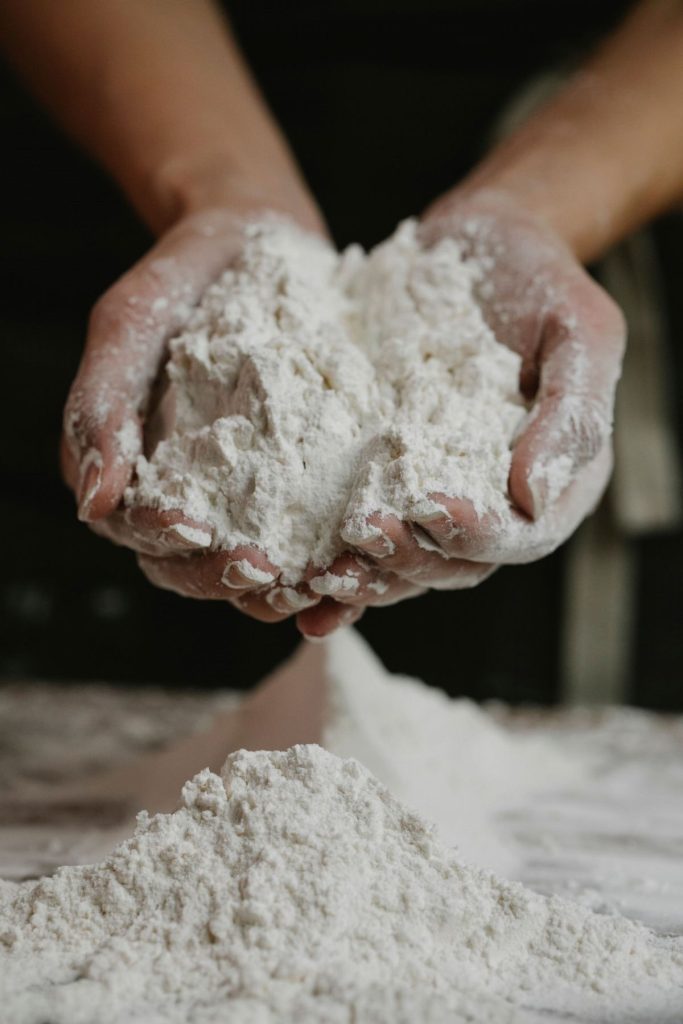
Buckwheat
Milled in small batches, so the flour stays fresh.
-
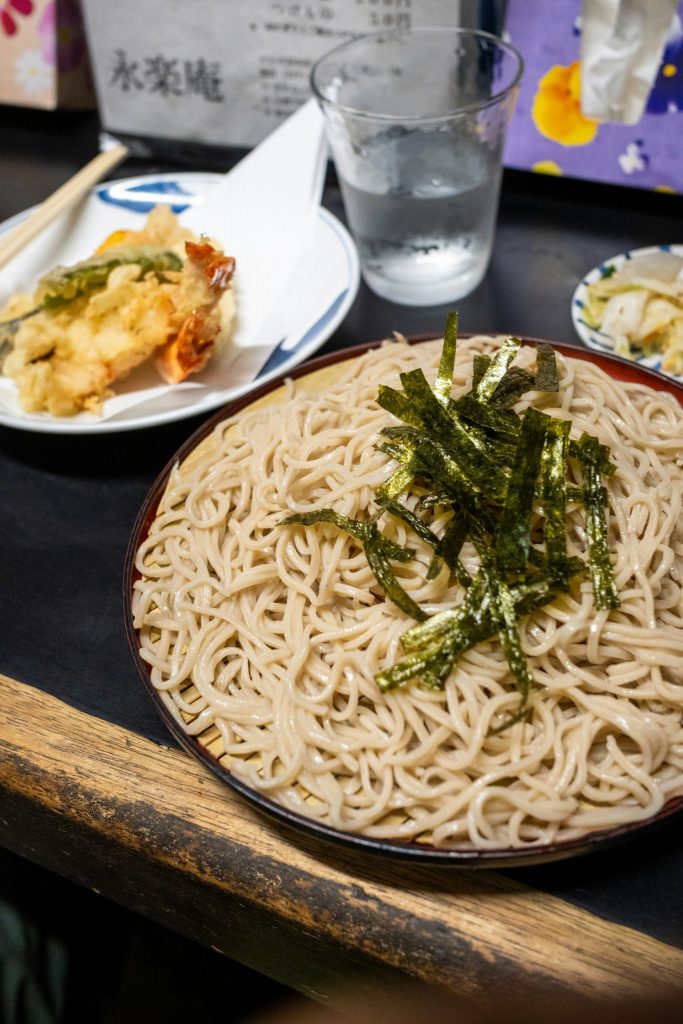
Water
Rinsed in cold running water to firm each strand.
-
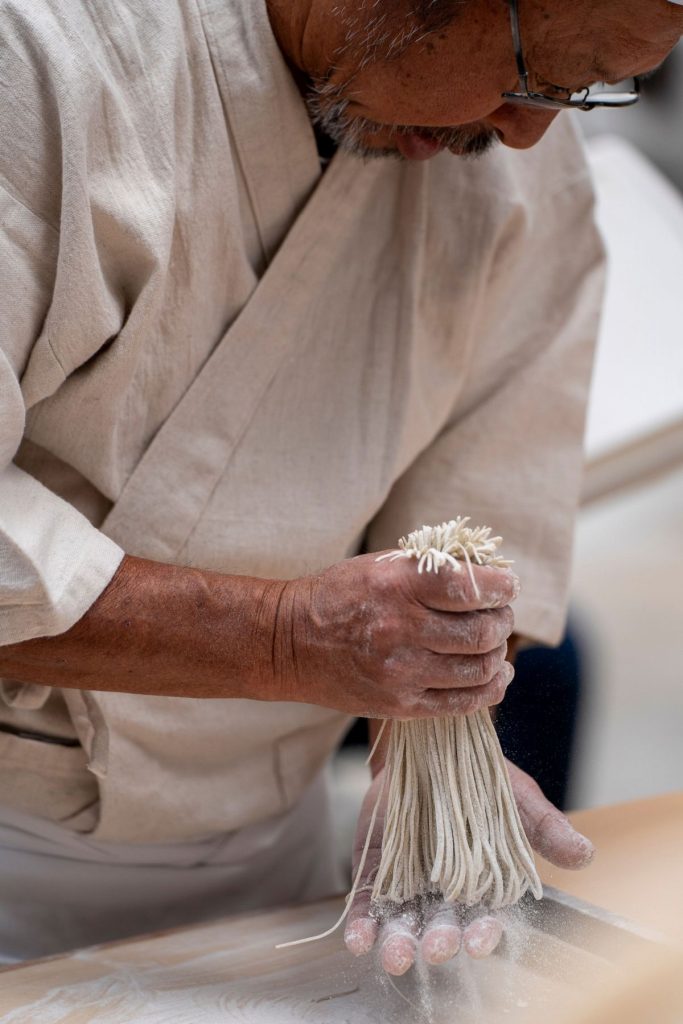
Hands
Rolled, folded and cut by hand before your bowl is cooked.
A day at the counter
Six moments between the first batch and the last cup.
- 08:30 First dough Buckwheat flour and water, kneaded by hand.
- 09:30 Rolling and cutting Rolled, folded and cut for lunch.
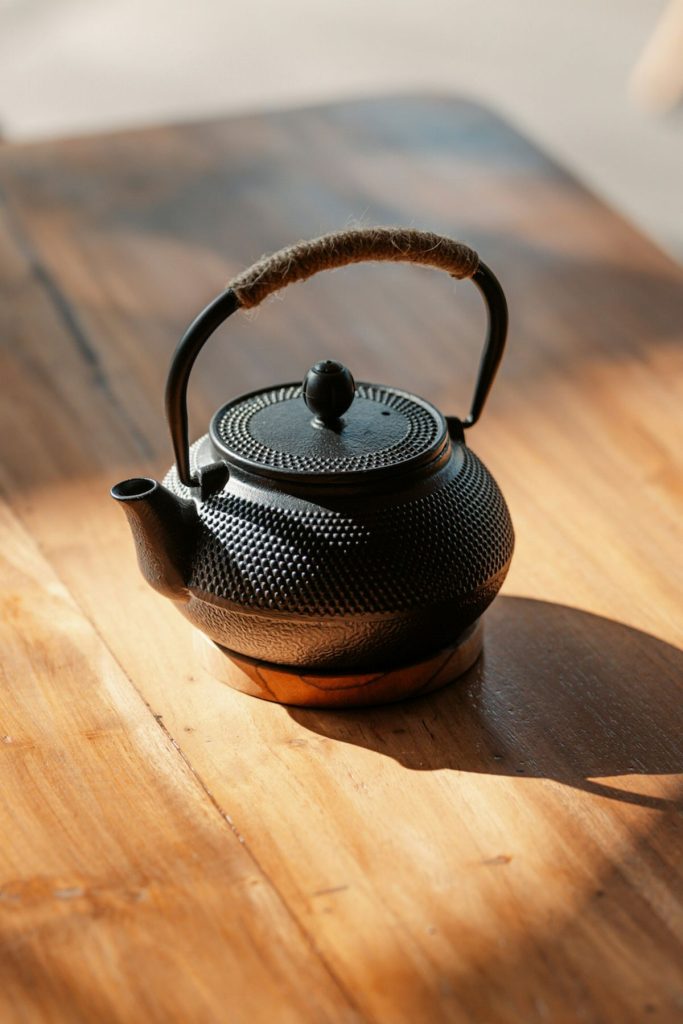
- 10:30 Broth and tea Kombu broth on the stove, the kettle warm.
- 11:30 First seating Ten guests sit down at the counter.
- 15:00 Afternoon reset The board is cleaned and a fresh batch cut.
- 20:00 Last seating The day closes with soba and a last cup.
Who cooks and pours
Two hosts run every seating, in full view.
-
SOBA MAKER
Ren Aoki
Cuts every batch by hand at the board.
-
TEA HOST
Mei Ling Goh
Brews each pot to the season.
REFERENCES
Rooms we learn from
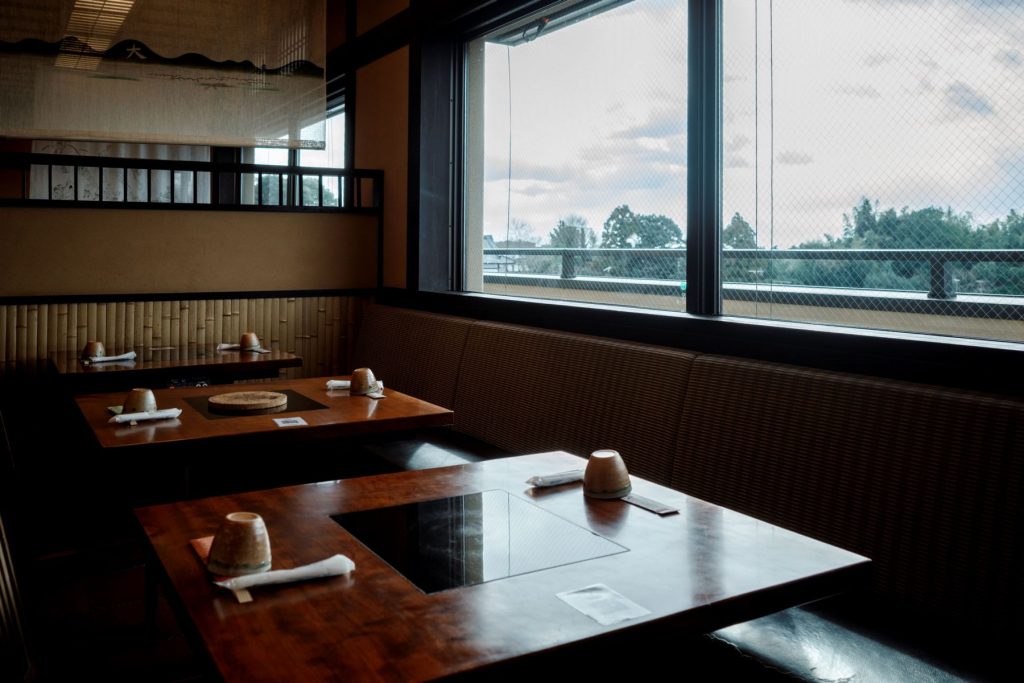
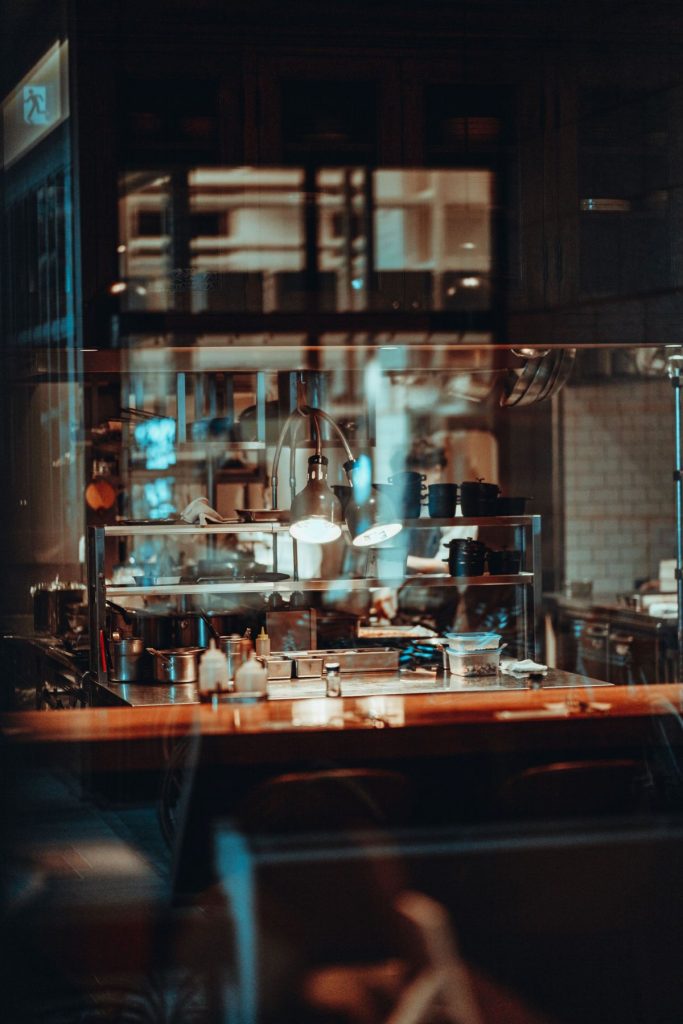
Two places in Japan that shaped how we think about light, wood and a short counter. Neither of them is Komorebi.